A few days ago I saw someone comment “we should aim for low CO2” under a post about switching to electric cars — and for a second I paused. Did they mean some new texting slang or were they actually talking about gas emissions? If you’re searching “what does low co2 mean,” you’re probably wondering the same thing.
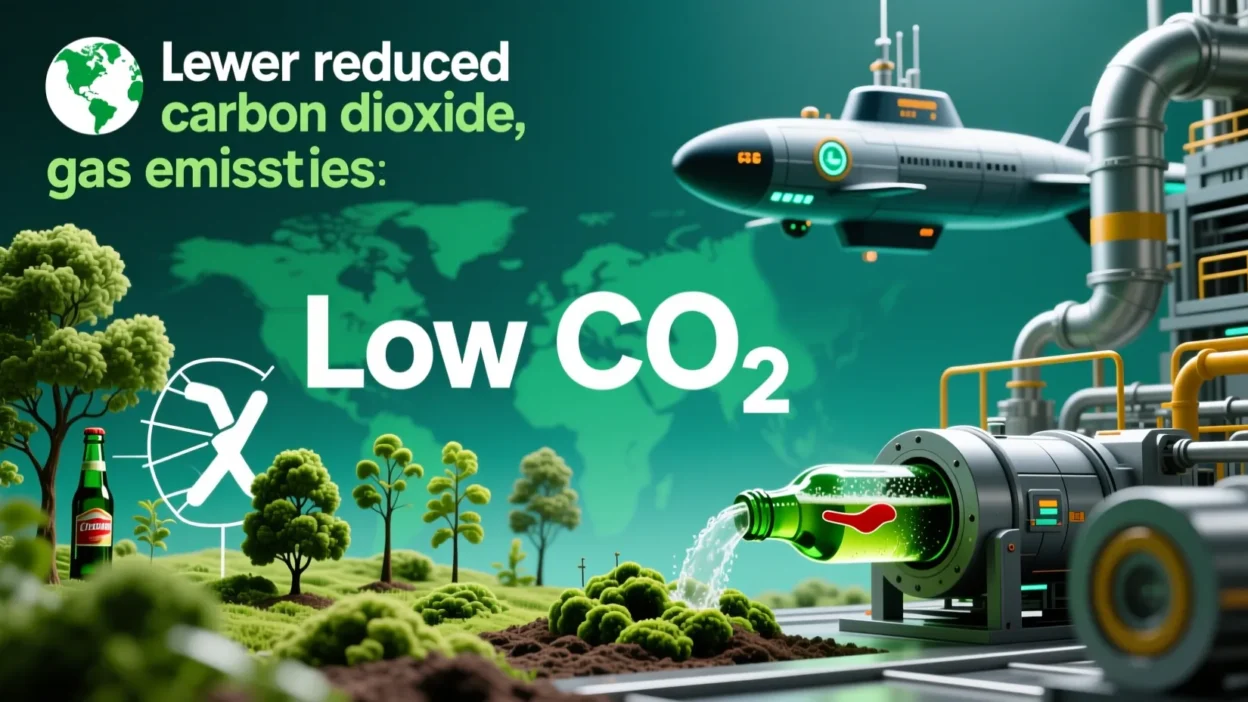
Quick Answer: Low CO2 simply means “low carbon dioxide.” It’s not really texting slang — but rather a term often used to describe a situation, product, or behaviour that leads to reduced carbon dioxide (greenhouse gas) emissions or lower levels of CO₂. It’s a casual‑but‑clear environmental expression rather than a flirty or chatty slang.
What Does Low CO2 Mean
When someone says “low CO2,” they refer to a lower amount or concentration of Carbon dioxide (CO₂) — either in the atmosphere, a product’s emissions, or a setting (like “low‑CO₂ footprint”).
- CO₂ is the chemical abbreviation for carbon dioxide. Cyber Definitions+1
- So “low CO₂” literally means “reduced carbon dioxide.”
Example sentence:
“I switched to public transport — now my ride has low CO2 compared to driving.”
In short:
Low CO2 = low carbon dioxide = reduced carbon emissions or lower CO₂ concentration.
Where Is “Low CO2” Commonly Used? 🌍
You’ll typically see “low CO2” in contexts such as:
- Environmental writing, discussion about climate change, sustainability blogs 📰
- Product descriptions (e.g. “low CO₂ emissions,” “low carbon footprint”) ♻️
- Articles or social‑media posts about green living, energy efficiency, and eco‑friendly choices 🌱
- Scientific or policy documents regarding greenhouse gases, climate targets, carbon footprint 📄
Tone: It’s usually neutral to serious — not slangy or casual chat‑text style.
Examples of “Low CO2” in Real Contexts
Here are some realistic sentences you might encounter:
- “Using solar panels helps keep your home’s energy use low CO2.”
- “The new bus fleet is advertised as low CO2 compared to diesel vans.”
- “We need more low CO2 solutions to fight global warming.”
- “They pledged to make the factory low CO2 by 2030.”
- “Electric bikes = low CO2 transport for city travel.”
Although these aren’t texting‑slang chat exchanges, they show how “low CO2” is used in writing and conversation.
When to Use and When Not to Use “Low CO2”
✅ When to use “low CO2”:
- Talking about climate change, pollution reduction, or environmental impact
- Describing a product or action that results in lower greenhouse‑gas emissions
- Writing formally or informally about sustainable living
❌ When not to use:
- Everyday casual chat unrelated to environment (e.g. “Hey, you low CO2?” — doesn’t make sense)
- Formal business communication unless relevant to emissions or sustainability
- Texting as slang — because it isn’t recognized as slang
| Context | Example Phrase | Why It Works |
| Environmental awareness post | “Choose low CO2 energy sources 🌱” | Clear, relevant, eco‑friendly tone |
| Product description (eco‑friendly) | “This car is low CO2 compared to standard models.” | Precisely describes lower emissions |
| Casual chat about weather | “Nice day today.” | “Low CO2” would feel out of place |
| Formal business email about finances | “Please send quarterly report.” | Unrelated; “low CO2” would confuse message |
Similar Terms or Related Expressions
| Term / Phrase | Meaning / Similarity | When to Use |
| Low‑carbon footprint | Measures total greenhouse‑gas emissions | Talking about lifestyle or company emissions |
| Reduced CO₂ emissions | Lowering release of carbon dioxide | Environmental reports, product specs |
| Carbon‑friendly | Indicates eco‑conscious products/actions | Marketing eco products, sustainability guides |
| Green / Eco‑friendly | Broad term for environment‑conscious | General sustainability context |
| Climate‑neutral | Net zero carbon emissions over time | Long‑term environmental goals |
| Carbon‑reduced | Less carbon release than usual | Comparative environmental statements |
FAQs About “Low CO2”
Q: Is “low CO2” a slang or texting shorthand?
A: No — “low CO2” is not slang. It’s a literal environmental expression referring to less carbon dioxide or fewer emissions.
Q: Can “low CO2” mean something else in a different context?
A: Rarely. CO₂ almost always refers to carbon dioxide. Cyber Definitions+1 If you saw “low CO2” somewhere ambiguous, consider the surrounding context.
Q: Is “low CO2” the same as “low carbon” or “low‑carbon”?
A: Very similar. “Low carbon” is a broader phrase used widely to describe lower greenhouse‑gas emissions. Some sources refer to “low carbon” rather than “low CO₂.” FastSlang+1
Q: Is “low CO2” used formally or casually?
A: Generally formally or in semi‑formal contexts (articles, reports, descriptions). It isn’t a slang word for chatting or flirting.
Conclusion
In short: “low CO2” just means “low carbon dioxide.” There’s no hidden slang meaning behind it — it’s an environmental expression used to talk about reduced emissions, sustainability, and eco‑friendly choices.